How Long Does It Take to Train a Dog?
By Bart Merrell ·
Honest timelines for basic obedience, off-leash reliability, and behavior work, from a Utah trainer tired of the two-week miracle-dog hype. No false promises.
Every trainer's website promises fast results. Ours included, honestly. But the real answer to "how long" isn't a single number. It depends on three things: what you're training, how old the dog is and what habits they've already built, and how consistent you are as the handler. I'm tired of the "two-week miracle dog" hype, so here's the honest version, timeline by timeline.
First, an honest word about board & train
Since we sell a four-week board & train, let me be straight about what that actually buys you, because it's not a magic wand and I won't pretend it is.
What a board & train does is compress the intensive foundation work into four focused weeks. The stuff that would take you months of fumbling on your own, we do in a concentrated stretch, all day, every day, by people who've done it a thousand times. That's a genuine head start, and it's worth a lot.
What it does not do is delete your job. No program does. Your dog comes home knowing the skills cold, and then you're the one who makes those skills reliable inside your actual life. That hand-off is the whole reason we build in follow-ups. So when you see a timeline below that runs past four weeks, that's not the program falling short. That's just the honest truth about how dogs learn.
Basic obedience: 2 to 4 weeks
Sit, down, place, come, and heel. Most dogs pick up the mechanics of these in a week or two of short daily sessions. Understanding the cue is the quick part. Doing it every single time, in every environment, with a squirrel running by, is the slower part. Don't confuse "my dog can do it in the kitchen" with "my dog is trained." Those are two different dogs.
Real-world reliability: 2 to 6 months
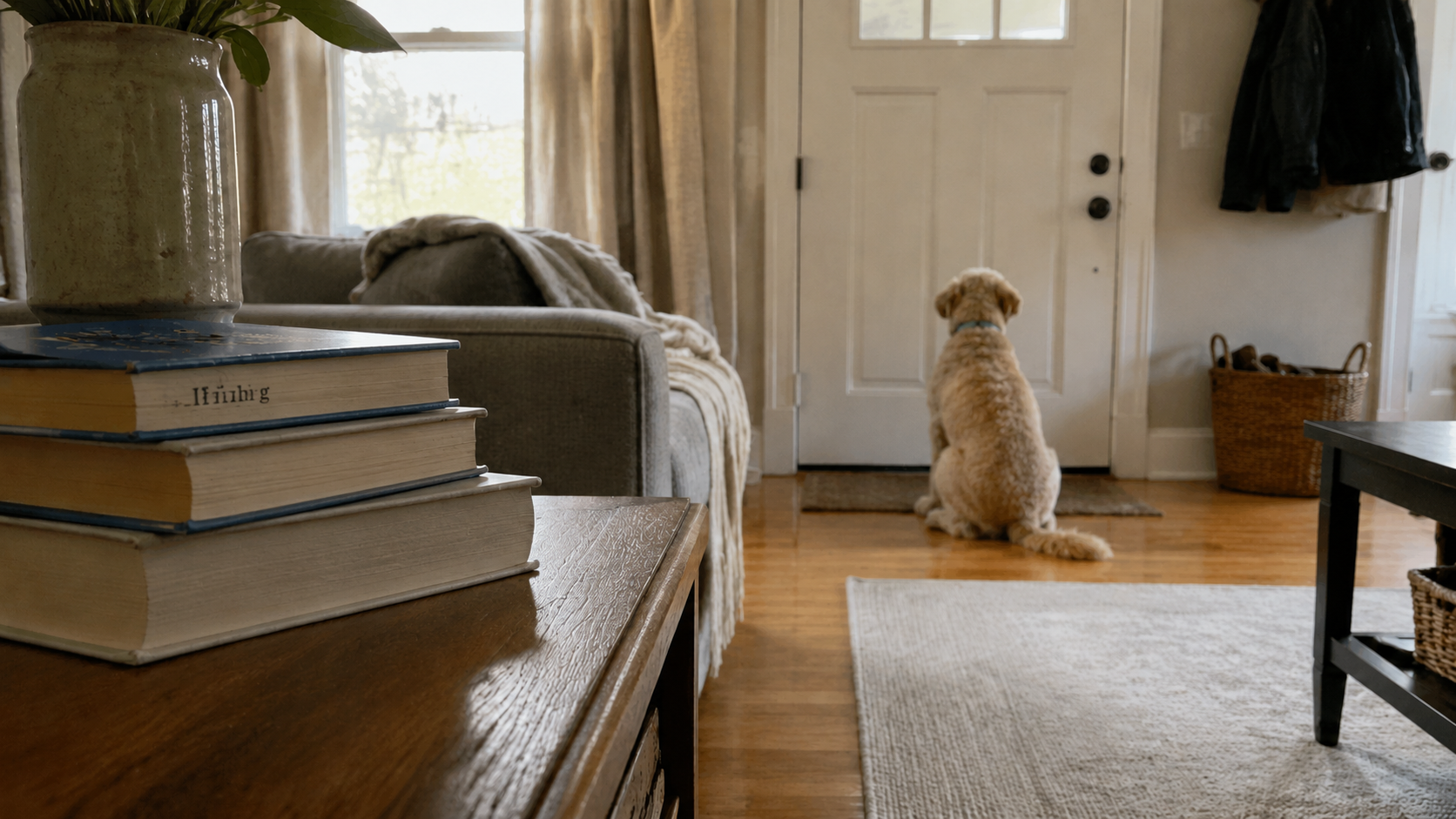
This is the part nobody tells you about. A dog who sits in your living room is not the same dog as one who sits at the door when the pizza guy shows up. Taking a behavior and making it hold up in new places, around new distractions, and with new people is called generalizing, and it takes ongoing, intentional practice. Plan on two to three months of real work to get there.
Off-leash: 3 to 6 months
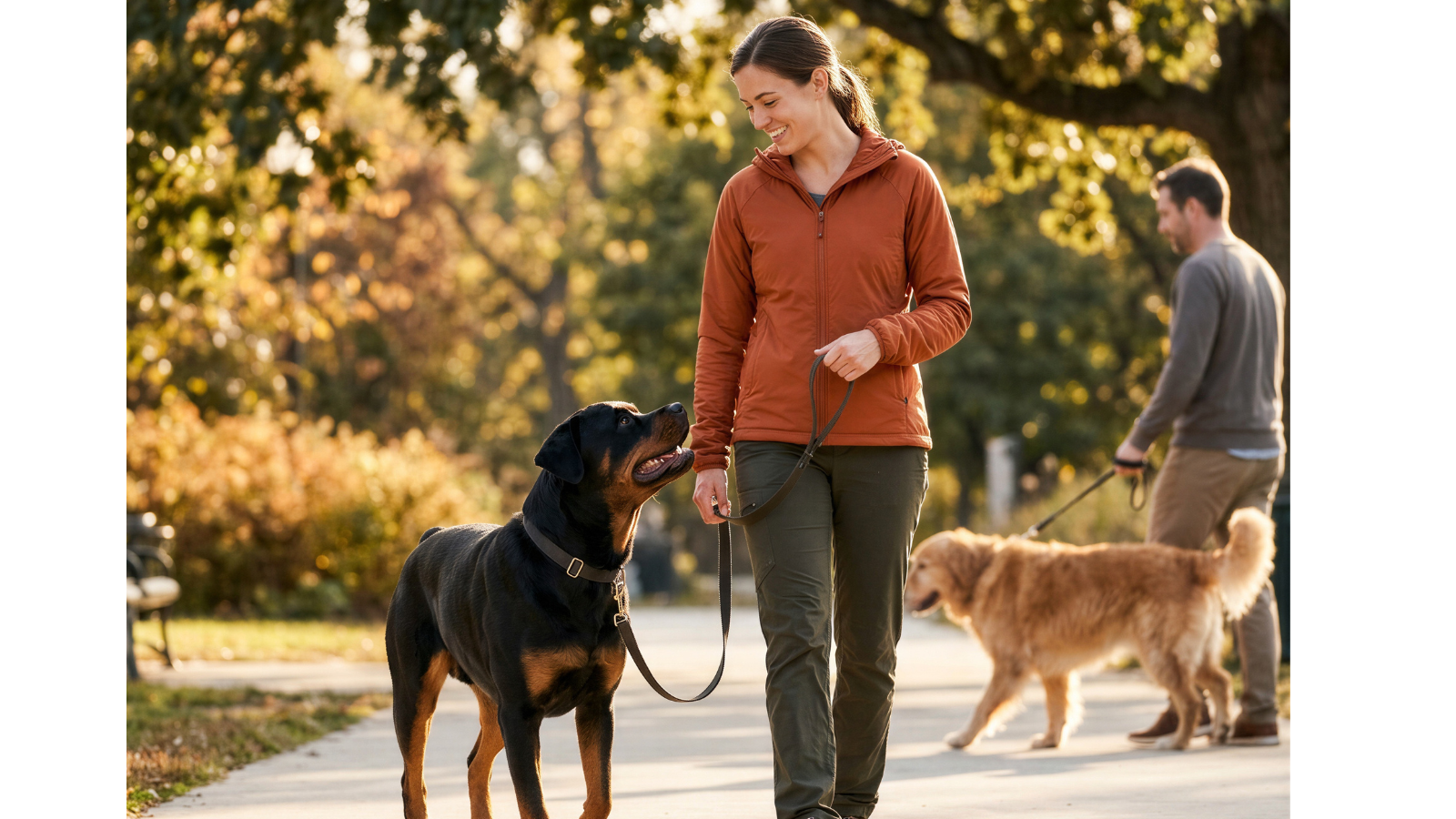
Solid off-leash reliability, the kind you'd actually trust on a Utah trail with elk in the distance, takes real time. Our four-week board & train builds the foundation and the e-collar skills that make it possible. From there, most owners are fully off-leash within another couple of months of steady practice. It's one of the most rewarding things you'll ever do with your dog, and it's worth every week it takes.
Behavior modification: 6 to 12 months
Reactivity, resource guarding, separation anxiety. These aren't obedience problems, they're emotional ones, and that's a completely different animal. Anyone who tells you they can "fix" a reactive dog in a weekend is lying to you. Real change takes real time, it runs alongside careful management the whole way, and it takes the owner staying on top of it long after the trainer goes home. It's absolutely doable. It's just a marathon, not a sprint, and you should be suspicious of anyone who tells you otherwise.
Two things that quietly change the timeline
Your dog's age and history. Puppies learn fast, but they've got short attention spans and an adolescence coming that'll test everything. Adult dogs are fully trainable, the "you can't teach an old dog new tricks" line is a myth, and even seniors learn happily. But here's the catch worth knowing: unlearning is slower than learning. Teaching a blank-slate puppy to walk nicely is quicker than convincing a three-year-old dog who's practiced pulling on ten thousand walks that the rules have changed. Established habits have a lot of reps behind them, and undoing reps takes reps.
The variable everyone ignores
Consistency. This is the big one, and it's the single biggest predictor of how long any of this takes. A dog trained ten minutes twice a day, every day, will lap a dog trained for an hour on Saturday. Small daily reps beat big weekend sessions every time. It's not about how much time you have, it's about how often you show up. If you want to speed up every timeline on this page, that's the lever.
Training is never really "done"
One last honest thing. Training isn't a finish line you cross once and forget about. It's a habit you keep. A trained dog stays trained because the training stays part of your life, in small ways, forever. That's not a burden, it's just the deal, and it's exactly why we include follow-up sessions and free group classes for life. We're not trying to see you once and wave goodbye. We're trying to set you and your dog up for the long haul.
"Ask me how long training takes and my most honest answer is another question: how consistent are you going to be?"
Want a straight answer for your dog?
Every dog is different, and the only real way to give you a timeline for yours is to meet them. Book a free evaluation and we'll give you an honest read, no miracle-dog promises. Not sure which format fits? Here's which program fits your dog, and a fast-win example: how to stop leash pulling. Call us at (801) 592-1524. We serve Salt Lake, Utah, Summit, and Weber counties.
Frequently asked questions
Keep reading
Written by Bart Merrell, certified dog trainer at Top Dog Dog Training.